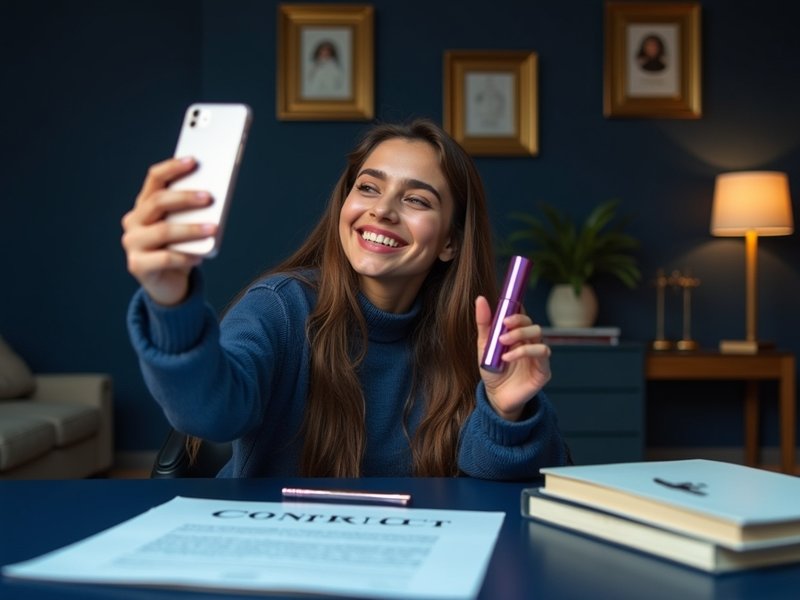
In recent years, influencer marketing has become one of the most effective advertising methods. With access to millions of followers, influencers play a significant role in shaping consumer behavior. However, this power comes with responsibility. When an influencer promotes a product, they may unintentionally or deliberately commit violations that trigger legal liability — both contractual and criminal.
۱. Contractual Liability (English)
Influencers typically sign collaboration agreements with brands or agencies containing obligations such as:
- Adhering to posting schedules
- Using specific hashtags (#ad, #sponsored, #تبلیغات)
- Not promoting competing products during the contract period
- Providing performance reports
Breach of these obligations entitles the brand to claim damages or terminate the contract (under general principles of contract law and, in Iranian law, Articles 10, 219 et seq. of the Civil Code).
۲. Criminal Liability (English)
False or misleading advertising may fall under:
- Articles 1 and 2 of the Law on Prohibition of Satellite Equipment (when promoting smuggled goods)
- Article 52 of the Guild System Law
- Article 596 of the Islamic Penal Code (fraud/deception)
Promoting products harmful to public health (unauthorized drugs, counterfeit supplements, e-cigarettes, etc.) can be prosecuted as “disruption of public health” under Article 688 of the Islamic Penal Code.
Both Iranian regulations (SATRA 2023 guidelines) and international standards (FTC Endorsement Guides) require clear and conspicuous disclosure of material connections. Failure to include #ad or #تبلیغات may result in fines or account suspension.
Influencers are no longer merely “popular social media personalities”; they are active players in the advertising market and must be legally accountable to the same extent as traditional advertising agencies.
Comments (1)
Ghazal says 12/22/2025 11:45
عالی بود👌🏻